
Debtor finance Perth
Invoice finance advances money against invoices your business has already issued, and Quantum Finance finds the funder whose terms, disclosure and customer contact suit the way you actually trade.
- Draw against invoices already issued and not yet paid.
- The debtor book is the security, so funding grows with sales.
- For businesses selling to other businesses on terms.
- Funders differ on disclosure, ledger cover and who chases payment.

- Years broking
- 21+Years broking
- Loans settled
- $1B+Loans settled
- Credit licence
- ACL 389083Credit licence
- Lenders compared
- 40+Lenders compared




Our awards and recognition
Awarded by the people who see every broker’s numbers
Diamond Club
2026
Money Quest Group

Diamond Club
2025
Money Quest Group

Diamond Club
2024
Money Quest Group
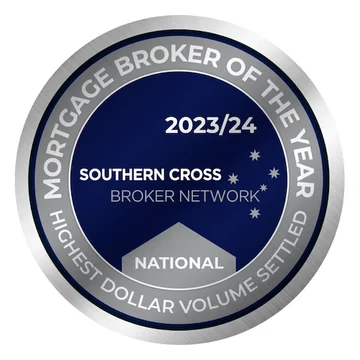
Mortgage Broker of the Year
2023/24, National, highest dollar volume settled
Southern Cross Broker Network

Excellence in Finance, Gold
2021
PLAN Australia

Excellence in Finance, Gold
2020
PLAN Australia

Hall of Fame
Valued partner, 15 years
PLAN Australia

Elite Broker
2021
Broker Value Proposition
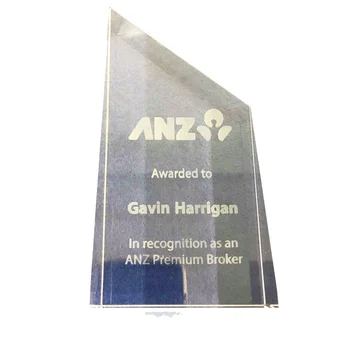
Premium Broker
ANZ

Individual Excellence Award
2016
Specialist Finance Group

Sales Excellence Award
PLAN Australia

Sales Master Award
PLAN Australia
Top 100 Brokers
Four times
Australian Broker
What our debtor finance service does
The work on an invoice finance facility, from the ledger to the contractInvoice finance advances money against invoices a business has already issued and not yet been paid, so the debtor book is the security and the funding grows as sales grow. It suits businesses that sell to other businesses on terms and wait weeks to be paid.
Funders differ on whether your customers are told, whether the whole ledger is funded or selected invoices, and who chases payment when it is late.
Debtor finance is a commercial contract rather than a regulated home loan. The recourse, guarantee and termination clauses are the ones to read with your solicitor.
We check the debtor book before promising anything
Funders read the ledger before they read the business. Concentration in one large customer, long-dated terms, credit notes and disputed invoices all change what is fundable. We look at that first, so the answer you get is based on your actual book.
We set out disclosed against confidential plainly
In some facilities your customers are told the invoices are financed and pay the funder directly. In others the arrangement stays between you and the funder. That choice affects customer relationships more than it affects cost, and it should be made deliberately.
We compare whole-of-ledger against selective funding
Some funders want the entire debtor book, which usually prices better and commits more. Others fund selected invoices, which costs more and leaves the rest of the ledger free. Which suits depends on whether the gap is constant or occasional.
We convert the quotes into one comparable cost
Invoice finance is quoted as a discount rate, a service fee, a facility fee, or a factor rate, and often several at once. We restate every offer as what the money costs over the days you will actually hold it. Only then does a comparison mean anything.
We identify what happens when a customer does not pay
Recourse decides who wears an unpaid invoice, and it is the term that matters most when something goes wrong. We read it, along with the guarantees and the termination clauses, and put it in front of you before you sign rather than after.
We take the file to bank and non-bank funders
Bank debtor finance generally prices better and asks for more. Specialist non-bank funders take on ledgers and industries the banks step around, and charge for it. Running the same book past both is how you find out what your ledger is genuinely worth.
Invoice and debtor finance structures
Six ways a debtor book gets funded, and what each one changesThe structures below differ on three things: whether customers are told, how much of the ledger is committed, and who carries an invoice that never gets paid. Cost follows those three answers rather than leading them.
- Confidential invoice discounting
How it works
Drawing against the ledger without telling customers
What it changes
You keep collecting, so you keep the customer relationship
- Disclosed invoice factoring
How it works
Customers pay the funder directly
What it changes
The funder collects, which removes the chasing from your desk
- Whole-of-ledger facility
How it works
A constant gap across the whole debtor book
What it changes
Generally prices better and commits the full ledger
- Selective or single invoice finance
How it works
One large invoice or an occasional squeeze
What it changes
Costs more per invoice and leaves the rest of the book free
- Recourse facility
How it works
The business carries the risk if a customer does not pay
What it changes
Cheaper, and the unpaid invoice comes back to you
- Progress claim funding
How it works
Contractors waiting out claim and retention cycles
What it changes
A narrower group of funders will look at claim-based invoices
You do not need to know which structure you want before you call. Send us an aged debtors report and how your customers pay, and we come back with the funders that suit the book.
Who invoice finance suits
The Perth businesses we fund debtor books forEvery business below has already earned the money and is waiting on payment terms to catch up. These are the situations that come through the door most often.
Businesses selling to other businesses on payment terms
Labour hire and staffing firms paying wages before the client pays
Transport and logistics operators funding fuel and drivers between runs
Wholesalers and manufacturers with long-dated customer terms
Contractors waiting out progress claim and retention cycles
Growing businesses whose funding need rises with every new order
How a debtor finance application runs
Five steps, starting with the aged debtors reportA debtor finance application runs through the same five steps as any file we write, with the ledger assessed before the business. Concentration, terms, credit notes and disputes all get looked at first, because they decide what is fundable.
Start an application
You send us the basics and we work out what you could borrow and which lenders will look favourably at your situation.
Read this step in full: Start an applicationWhat you need
Income, debts, deposit
Get pre-approved
We put your file to the lender that fits and bring back a pre-approval in writing, subject to lender approval and your circumstances.
Read this step in full: Get pre-approvedWhat we do
Match the lender to your file
Get officially approved
Once your offer is accepted, the lender orders its valuation and issues formal approval.
Read this step in full: Get officially approvedWhat we do
Chase the lender, so you do not have to
Prepare for settlement
We go through the loan documents with you before you sign anything, then coordinate the lender and your settlement agent.
Read this step in full: Prepare for settlementWhat you need
Your questions, asked early
Stay up to date
After settlement we keep the loan under review as rates move and your circumstances change.
Read this step in full: Stay up to dateWhat we do
Review it, and tell you first
Step 1 of 5 · Start an application
About our independent mortgage brokers
The Perth brokers who arrange your invoice financeIndependent means no franchise above us and no lender owning a share of the business. Nobody upstairs sets a monthly target, so we have no reason to place a ledger with the funder paying the most. Your bank offers its own facility; we compare 40+ lenders.
Gavin Harrigan has been broking from West Leederville since 2005. Today it runs on a small team, Gavin Harrigan, Justin Richardson and Xavier Prescott, each with their qualifications on the page. You deal with the person who writes your loan, before settlement and after it.
The work runs from a first home loan, through refinancing and investment lending, out to construction, small developments and commercial property. Same broker, whichever end of that you are at.
- VerifiedBroking since 2005
- VerifiedOver $1 billion in loans settled
- VerifiedAustralian Credit Licence 389083
- VerifiedMoneyQuest accredited
- VerifiedMember of the Finance Brokers Association of Australia (FBAA)
- Verified40+ lenders on the panel
Fifteen minutes is usually enough to tell you where you stand. No cost, no obligation, and any lending is subject to approval and your circumstances.


Why choose us for debtor finance
The cheapest quote and the best facility are often not the same offerInvoice finance contracts differ on recourse, disclosure, minimum volumes and how hard it is to leave, and none of that shows up in the headline rate. Every point below is a consequence of how this business is owned, not a slogan about service.
- Included
No franchise, no head office quota
We do not pay a franchise fee, so nobody upstairs sets a monthly target for us to hit. That removes the main reason a broker recommends the wrong loan.
- Included
No lender owns a share of us
The banks have no stake in this business and no claim on where files go. Your bank has one loan to sell you. We do not.
- Included
40+ lenders, one shortlist
We compare 40+ bank and non-bank lenders, then explain why the shortlist looks the way it does. Policy differences decide more applications than rate does.
- Included
We will tell you when the answer is no
If refinancing does not actually save you money, we say so and you leave the loan where it is. A wrong loan costs more than the fee it earns.
- Included
The same broker after settlement
You keep dealing with the person who wrote the loan. We review it as rates and your circumstances change, not once and then never again.
What our clients say
In their words, not oursReviews left by people we have settled loans for, pulled straight from the platform they were written on.
Our debtor finance panel
Funders read the same ledger differently, so we compare 40+ lendersMajor banks, second-tier banks, and specialist non-bank funders who take on ledgers and industries the majors step around. MoneyQuest gives us access to the panel. 21+ years across it tells us who suits which book.




















A selection of the lenders we are accredited with. Ask us who else is on the panel for your situation.
Our commercial finance guides
Business and commercial lending, explained plainlyHow business lending is assessed, and what a credit team is actually looking at. Each one carries a broker's name.

Choosing a broker
What a mortgage broker does
What the job actually involves, who pays for it, and when your own bank is the better call.
Read it: What a mortgage broker does
Investing
Financing an investment property
How lenders read rental income, and how investors fund a deposit from equity.
Read it: Financing an investment property
Development
Funding a property development
How funders read a project, and why the exit is decided before the first drawdown.
Read it: Funding a property development
Commercial
Commercial finance, explained
Why commercial lending is negotiated rather than priced, and what lenders ask for.
Read it: Commercial finance, explained
Meet our Perth business finance brokers
You get a broker, not a call centreThree people, all named, all reachable. The person who reviews your debtor book is the person who negotiates the facility and the person who reads the contract with you.

Gavin Harrigan
Managing Director
Broking since 2005, four-time Top 100 broker and a PLAN Australia Hall of Fame member.
- Bachelor of Commerce, Applied Finance and Commercial Law, Curtin University
- Diploma of Finance and Mortgage Broking Management, AAMC Training Group
- PLAN Australia Hall of Fame member
- Elite Broker status
- Top 100 Brokers, four times

Justin Richardson
Loan Consultant
Business and law background, and a habit of making the process feel simple.
- Bachelor of Commerce, Business Law and Marketing, Curtin University
- Bachelor of Laws (in progress), Murdoch University

Xavier Prescott
Loan Consultant
Fresh qualifications, a competitor's discipline, and a lot of patience.
- Diploma of Finance and Mortgage Broking Management
Common questions about invoice and debtor finance
What is invoice finance?
Invoice finance advances money against invoices a business has already issued and not yet been paid. The debtor book is the security rather than property, so the available funding rises as sales rise. It brings forward money the business has already earned.
What is the difference between invoice finance and debtor finance?
They describe the same arrangement from different sides. Invoice finance names what is funded, and debtor finance names whose payment is being waited on. Factoring and discounting are the two common structures within it, and the real differences sit there rather than in the label.
Will my customers know I am using invoice finance?
That depends on the structure. In a disclosed factoring facility customers are told and pay the funder directly. In confidential invoice discounting the arrangement stays between you and the funder, and you keep collecting. Choose deliberately, because it affects customer relationships.
Do I have to fund my whole debtor ledger?
Not necessarily. Whole-of-ledger facilities commit the full book and generally price better for it. Selective or single invoice finance funds only the invoices you choose, costs more per invoice, and leaves the rest of the ledger free. Which suits depends on whether the gap is constant.
What happens if my customer never pays the invoice?
The recourse terms decide that, and it is the clause that matters most. Under a recourse facility the unpaid invoice comes back to your business. Other arrangements shift some of that risk to the funder at a price. Read those terms with your solicitor before signing.
Which businesses does invoice finance not suit?
Businesses paid at the point of sale, businesses selling to consumers rather than to other businesses, and businesses whose invoices are raised before the work is finished. Funders also look hard at ledgers concentrated in a single customer, because the risk sits in one place.
How much of an invoice can be advanced?
A proportion rather than the full face value, with the balance released when the customer pays. The exact proportion is set by the funder against your ledger, your industry and your customers. We get that figure confirmed for your book before you commit to anything.
Is invoice finance cheaper than an overdraft?
Not usually, and it does a different job. An overdraft is a fixed limit set against the business. Invoice finance grows with the ledger, which is what suits a business whose funding need rises with every new order. We compare both as a total cost.
Related business finance we arrange
The other facilities a debtor finance client usually needsA ledger being funded usually sits next to a broader cash flow question. If yours does, it is the same broker and the same conversation.

Working Capital Loans
Cover the gap between paying your suppliers and being paid by your customers.
Learn moreabout Working Capital Loans
Business Loans
Secured and unsecured funding for growth, stock, equipment, premises and acquisitions.
Learn moreabout Business Loans
Asset & Equipment Finance
Vehicles, trucks, earthmoving, plant and fit-out, funded against the asset itself.
Learn moreabout Asset & Equipment Finance
The information on this page is general in nature and does not take into account your objectives, financial situation or needs. Any figures shown are estimates only. Lending is subject to approval, and to the lender's terms, conditions, fees and charges. Consider whether the information is appropriate for you before acting on it.
Get in touch
Talk to us about funding your invoicesFive questions and you are done. A broker reads it, works out which funders suit your debtor book, and rings you back on the number you give us.
Would rather just talk?
Ringing is quicker than waiting for us to ring you, and you get a broker rather than a queue.
1300 813 113