
Low doc business loan
A low doc commercial loan is assessed on alternative evidence instead of full financial statements, and Quantum Finance works out which evidence you can actually produce, then takes it to the lenders that accept it.
- Assessed on alternative evidence, not two years of financials.
- For borrowers whose paperwork lags behind their trading.
- BAS, an accountant's declaration, bank statements or a lease.
- It costs more, and the premium depends on the evidence.

- Years broking
- 21+Years broking
- Loans settled
- $1B+Loans settled
- Credit licence
- ACL 389083Credit licence
- Lenders compared
- 40+Lenders compared




Our awards and recognition
Awarded by the people who see every broker’s numbers
Diamond Club
2026
Money Quest Group

Diamond Club
2025
Money Quest Group

Diamond Club
2024
Money Quest Group
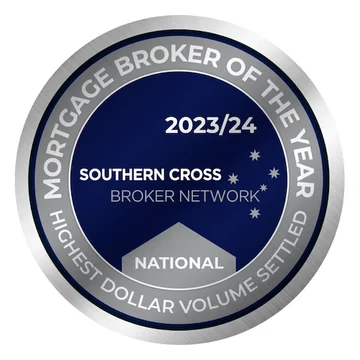
Mortgage Broker of the Year
2023/24, National, highest dollar volume settled
Southern Cross Broker Network

Excellence in Finance, Gold
2021
PLAN Australia

Excellence in Finance, Gold
2020
PLAN Australia

Hall of Fame
Valued partner, 15 years
PLAN Australia

Elite Broker
2021
Broker Value Proposition
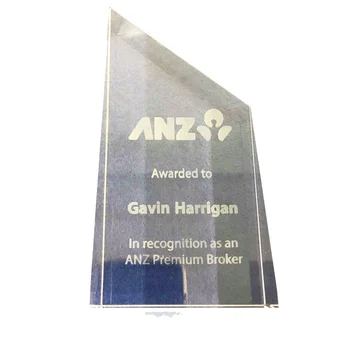
Premium Broker
ANZ

Individual Excellence Award
2016
Specialist Finance Group

Sales Excellence Award
PLAN Australia
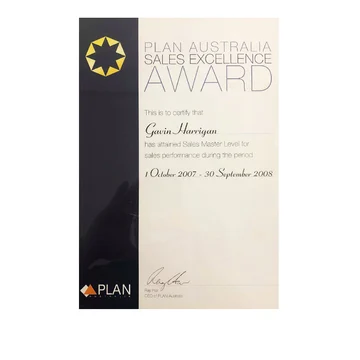
Sales Master Award
PLAN Australia
Top 100 Brokers
Four times
Australian Broker
What our low doc lending service does
The work on a low doc file, from evidence to the move back to full docA low doc business loan is assessed on alternative evidence rather than two years of completed financial statements. Business activity statements, an accountant's declaration, trading bank statements or a property's lease can each stand in their place, and the lender is still assessing capacity from a different source.
It exists because good borrowers get caught out by paperwork rather than by their numbers. Returns are behind, the business restructured, or current trading is well ahead of the last completed year.
Low doc costs more than a fully documented facility, because the lender prices the information it is not getting. The job is keeping that premium as small as the file allows.
We work out what evidence you can actually produce
Low doc is not one product. It is a set of alternative evidence types, and the lenders that accept them differ. We start by establishing what genuinely exists in your business, then match that to lenders that assess on it rather than asking you to manufacture something else.
We test whether you need a low doc loan at all
Sometimes the missing documents can be produced faster than expected, and a full doc facility is far cheaper than a low doc one. We check that first. Paying a low doc premium for paperwork that was two weeks away is a bad outcome we can usually avoid.
We set out what the reduced documentation costs
Lenders price low doc facilities for the information they are not getting, and that shows up in the rate, the deposit or both. We put the low doc option and the full doc option side by side so the premium is a visible decision rather than a surprise at approval.
We make sure the declaration you sign is one you can stand behind
A low doc application usually rests on a declaration about your income or your capacity to repay. That declaration is a serious document. We will not put a figure in front of a lender that the business cannot support, and we say so early if the numbers do not work.
We take the file to non-bank lenders as well as banks
Banks write low doc facilities within narrow policy. Specialist non-bank lenders take a broader view of an incomplete file and charge for it. The same evidence goes to both, because the gap between their answers is where the useful options sit.
We diarise the move back to a full doc facility
A low doc loan should be a stage rather than a destination. Once the returns are lodged and the trading history is complete, the file may support a cheaper facility. We track it and come back to you, instead of leaving the premium running indefinitely.
Low doc evidence types
Six things that can stand in for two years of financialsLow doc is not a single product. It is a set of alternative evidence types, each accepted by a different group of lenders and priced differently. What you can genuinely produce decides which of these is available to you.
- Business activity statements
What you supply instead
Recent BAS lodgements standing in for annual returns
What a lender wants alongside it
Lodged and consistent with the bank statements
- Accountant's declaration
What you supply instead
Your accountant confirms the position to the lender
What a lender wants alongside it
Your accountant has to be willing to sign it
- Trading bank statements
What you supply instead
Turnover read straight off the business account
What a lender wants alongside it
Usually a defined recent period, in full
- Lease doc
What you supply instead
Leased commercial property assessed on its rent
What a lender wants alongside it
A lease with real term remaining and a solid tenant
- Self-certified declaration
What you supply instead
The borrower declares capacity to repay
What a lender wants alongside it
A serious document, and the smallest lender pool
- Asset or equity lend
What you supply instead
The security carries the file rather than the income
What a lender wants alongside it
Expect a larger deposit or a lower borrowing amount
You do not need to work out which of these you qualify for. Tell us what documents actually exist in the business right now, and we tell you which lenders assess on them.
Who low doc commercial finance suits
The Perth borrowers we arrange low doc facilities forEvery borrower below has the capacity and not the paperwork. These are the situations that come through the door most often.
Self-employed borrowers whose tax returns are not yet lodged
Businesses that restructured entities and lost their trading history with it
Owners whose current trading is well ahead of the last completed year
Investors buying leased commercial property who prefer to lend on the lease
Contractors and sole traders paid in ways a full doc lender reads awkwardly
Borrowers refinancing off an expensive facility taken when documents were short
How a low doc application runs
Five steps, with the evidence established before a lender is chosenA low doc application runs through the same five steps as any file we write, in a different order. What evidence exists gets established first, because that decides which lenders can be approached at all.
Start an application
You send us the basics and we work out what you could borrow and which lenders will look favourably at your situation.
Read this step in full: Start an applicationWhat you need
Income, debts, deposit
Get pre-approved
We put your file to the lender that fits and bring back a pre-approval in writing, subject to lender approval and your circumstances.
Read this step in full: Get pre-approvedWhat we do
Match the lender to your file
Get officially approved
Once your offer is accepted, the lender orders its valuation and issues formal approval.
Read this step in full: Get officially approvedWhat we do
Chase the lender, so you do not have to
Prepare for settlement
We go through the loan documents with you before you sign anything, then coordinate the lender and your settlement agent.
Read this step in full: Prepare for settlementWhat you need
Your questions, asked early
Stay up to date
After settlement we keep the loan under review as rates move and your circumstances change.
Read this step in full: Stay up to dateWhat we do
Review it, and tell you first
Step 1 of 5 · Start an application
About our independent mortgage brokers
The Perth brokers who pick up the files banks put asideIndependent means no franchise above us and no lender owning a share of the business. Nobody upstairs sets a monthly target, so a low doc file goes to the lender that will read it properly. Lending has tightened and good borrowers get put in the too-hard basket; we compare 40+ lenders and pick those files up.
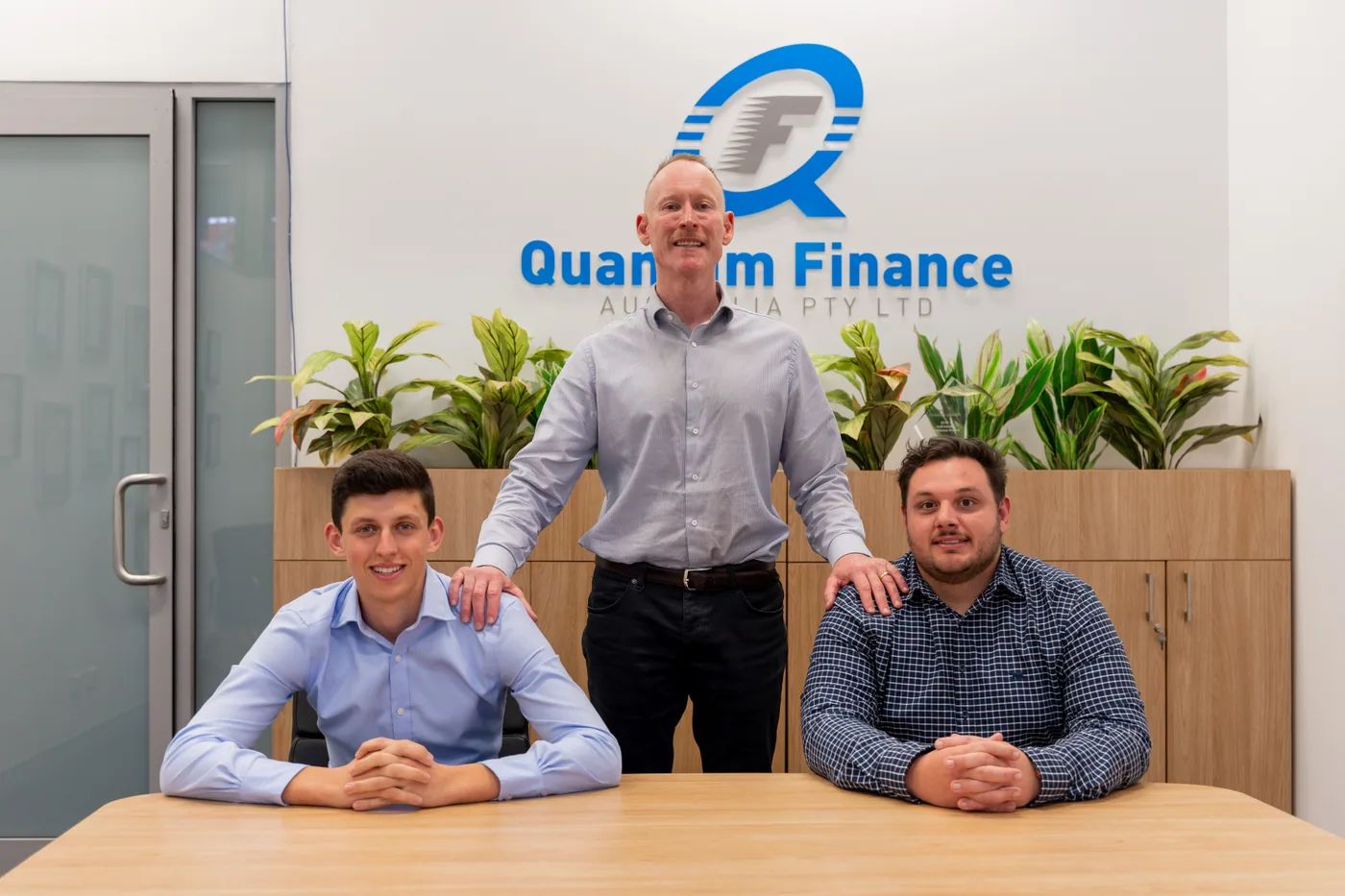
Gavin Harrigan has been broking from West Leederville since 2005. Today it runs on a small team, Gavin Harrigan, Justin Richardson and Xavier Prescott, each with their qualifications on the page. You deal with the person who writes your loan, before settlement and after it.
The work runs from a first home loan, through refinancing and investment lending, out to construction, small developments and commercial property. Same broker, whichever end of that you are at.
- VerifiedBroking since 2005
- VerifiedOver $1 billion in loans settled
- VerifiedAustralian Credit Licence 389083
- VerifiedMoneyQuest accredited
- VerifiedMember of the Finance Brokers Association of Australia (FBAA)
- Verified40+ lenders on the panel
Fifteen minutes is usually enough to tell you where you stand. No cost, no obligation, and any lending is subject to approval and your circumstances.

Why choose us for a low doc loan
A declined bank application is usually a policy mismatch, not a verdictBanks decline incomplete files on policy, and the borrower rarely hears which part of the policy caused it. A low doc lender reads the same business through different evidence. Every point below is a consequence of how this business is owned, not a slogan about service.
- Included
No franchise, no head office quota
We do not pay a franchise fee, so nobody upstairs sets a monthly target for us to hit. That removes the main reason a broker recommends the wrong loan.
- Included
No lender owns a share of us
The banks have no stake in this business and no claim on where files go. Your bank has one loan to sell you. We do not.
- Included
40+ lenders, one shortlist
We compare 40+ bank and non-bank lenders, then explain why the shortlist looks the way it does. Policy differences decide more applications than rate does.
- Included
We will tell you when the answer is no
If refinancing does not actually save you money, we say so and you leave the loan where it is. A wrong loan costs more than the fee it earns.
- Included
The same broker after settlement
You keep dealing with the person who wrote the loan. We review it as rates and your circumstances change, not once and then never again.
What our clients say
In their words, not oursReviews left by people we have settled loans for, pulled straight from the platform they were written on.
Our low doc lender panel
Every lender accepts a different evidence set, so we compare 40+Banks working within narrow low doc policy, and specialist non-bank lenders who take a broader view of an incomplete file. MoneyQuest gives us access to the panel. 21+ years across it tells us who accepts what.




















A selection of the lenders we are accredited with. Ask us who else is on the panel for your situation.
Our commercial finance guides
Business and commercial lending, explained plainlyHow business lending is assessed, and what a credit team is actually looking at. Each one carries a broker's name.
Choosing a broker
What a mortgage broker does
What the job actually involves, who pays for it, and when your own bank is the better call.
Read it: What a mortgage broker doesInvesting
Financing an investment property
How lenders read rental income, and how investors fund a deposit from equity.
Read it: Financing an investment property
Development
Funding a property development
How funders read a project, and why the exit is decided before the first drawdown.
Read it: Funding a property development
Commercial
Commercial finance, explained
Why commercial lending is negotiated rather than priced, and what lenders ask for.
Read it: Commercial finance, explained
Meet our Perth commercial finance brokers
You get a broker, not a call centreThree people, all named, all reachable. The person who works out what evidence you have is the person who presents it and the person who calls when a cheaper option opens up.

Gavin Harrigan
Managing Director
Broking since 2005, four-time Top 100 broker and a PLAN Australia Hall of Fame member.
- Bachelor of Commerce, Applied Finance and Commercial Law, Curtin University
- Diploma of Finance and Mortgage Broking Management, AAMC Training Group
- PLAN Australia Hall of Fame member
- Elite Broker status
- Top 100 Brokers, four times

Justin Richardson
Loan Consultant
Business and law background, and a habit of making the process feel simple.
- Bachelor of Commerce, Business Law and Marketing, Curtin University
- Bachelor of Laws (in progress), Murdoch University

Xavier Prescott
Loan Consultant
Fresh qualifications, a competitor's discipline, and a lot of patience.
- Diploma of Finance and Mortgage Broking Management
Common questions about low doc commercial loans
What is a low doc business loan?
A low doc business loan is assessed on alternative evidence rather than two years of completed financial statements. Business activity statements, an accountant's declaration, trading bank statements or a lease can stand in their place. The lender still assesses capacity, from a different source.
Who uses low doc commercial finance?
Self-employed borrowers whose returns are not yet lodged, businesses that restructured and lost their trading history, owners whose current trading is well ahead of the last completed year, and investors who would rather lend against a lease than a set of financials.
What can I supply instead of financial statements?
Depending on the lender, recent business activity statements, a declaration signed by your accountant, a defined period of trading bank statements, the lease on a commercial property, or a self-certified declaration of capacity. Each is accepted by a different group of lenders.
Does a low doc loan cost more?
Yes. Lenders price the information they are not receiving, and that appears in the rate, the deposit required, or both. How much more depends on which evidence you can supply and how strong the security is. We show the low doc and full doc options side by side.
Is a low doc loan the same as a no doc loan?
No. Low doc means different documents, not no documents, and every lender on the panel wants evidence of capacity in some form. A file with nothing behind it is not something we will put to a lender, because the declaration you sign has to be one you can stand behind.
What is a lease doc loan?
A lease doc facility is assessed primarily on the rent a commercial property produces rather than on the borrower's financials. It suits investment property with a solid tenant and real term remaining on the lease. Fewer lenders write them, and the lease itself carries the file.
Can I move to a normal loan later?
Often yes, and it should be the plan. Once returns are lodged and the trading history is complete, the file may support a cheaper full doc facility. We diarise it and come back to you rather than leaving a low doc premium running for years.
My bank declined me. Does that mean nobody will lend?
Usually not. A bank declines an incomplete file on policy rather than on merit, and one lender's policy is not the market. The same business, presented with the evidence that does exist, is regularly written by another lender on the panel. It is worth a second look.
Related commercial finance we arrange
The other facilities a low doc borrower usually needsA borrower short on documents is often short on time as well. If that is your situation, it is the same broker and the same conversation.

Private Commercial Loans
Non-bank and private funding secured by property, for what a bank will not write.
Learn moreabout Private Commercial LoansCommercial Property Loans
Finance secured by an office, warehouse, shop or mixed-use building you buy or already own.
Learn moreabout Commercial Property Loans
Business Loans
Secured and unsecured funding for growth, stock, equipment, premises and acquisitions.
Learn moreabout Business Loans
The information on this page is general in nature and does not take into account your objectives, financial situation or needs. Any figures shown are estimates only. Lending is subject to approval, and to the lender's terms, conditions, fees and charges. Consider whether the information is appropriate for you before acting on it.
Get in touch
Talk to us about a low doc facilityFive questions and you are done. A broker reads it, works out which lenders accept the evidence you have, and rings you back on the number you give us.
Would rather just talk?
Ringing is quicker than waiting for us to ring you, and you get a broker rather than a queue.
1300 813 113