
Commercial development finance
Quantum Finance arranges commercial development finance for small to mid Perth projects: we test the feasibility and the income the finished building is expected to produce, then take the project to bank, non-bank and private lenders whose appetite fits a commercial build.
- Small to mid commercial and mixed-use projects, built to sell or hold.
- End value read from the income, not from comparable house sales.
- Bank, second-tier, non-bank and private funders on the panel.
- Often the answer when the lease position is what stopped the bank.

- Years broking
- 21+Years broking
- Loans settled
- $1B+Loans settled
- Credit licence
- ACL 389083Credit licence
- Lenders compared
- 40+Lenders compared




Our awards and recognition
Awarded by the people who see every broker’s numbers
Diamond Club
2026
Money Quest Group

Diamond Club
2025
Money Quest Group

Diamond Club
2024
Money Quest Group
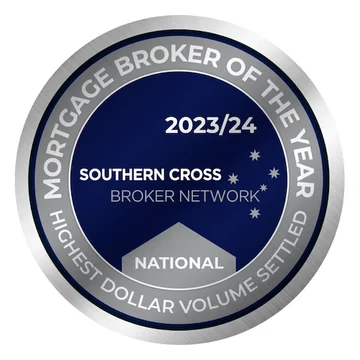
Mortgage Broker of the Year
2023/24, National, highest dollar volume settled
Southern Cross Broker Network

Excellence in Finance, Gold
2021
PLAN Australia

Excellence in Finance, Gold
2020
PLAN Australia

Hall of Fame
Valued partner, 15 years
PLAN Australia

Elite Broker
2021
Broker Value Proposition
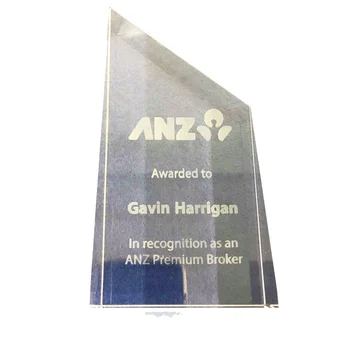
Premium Broker
ANZ

Individual Excellence Award
2016
Specialist Finance Group

Sales Excellence Award
PLAN Australia
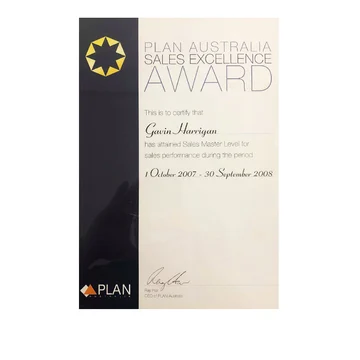
Sales Master Award
PLAN Australia
Top 100 Brokers
Four times
Australian Broker
What our commercial development finance service does
The work we do on a commercial build, from feasibility to exitCommercial development finance funds the construction of commercial or mixed-use property, built to sell or to hold and lease. The lender assesses the project, and the end value of a commercial building comes from the income it is expected to produce rather than from comparable house sales.
The pain is rarely the build. It is a lease position presented too late, a feasibility that understates total cost, or a file sent to a lender with no appetite for commercial construction at this size.
Every facility is subject to lender approval and your circumstances, and the term is short. A development facility runs to the end of the project, not for thirty years.
We test the feasibility and the income story first
We read the feasibility, the site and your experience before any lender does. On a commercial project we also read the lease position, because that is the number the end value is built on. If it does not stack up you hear it from us.
We size the facility against cost and completed value
A lender reads a commercial feasibility as total development cost against the value of the finished building. Total cost covers land, construction, professional fees, interest and contingency, and understating it is the most common feasibility error. Loan to cost sets the equity you put in, and loan to value measures the debt against the completed value.
We present the lease and pre-commitment position properly
A signed lease or a pre-commitment from a tenant reduces the risk a lender is pricing, and the term, the covenant and the incentives all get read. Requirements vary by lender and by project. We put that position in front of the right funders rather than leaving it to be discovered at credit.
We put bank, non-bank and private funding side by side
Cost of funds is only part of the picture on a commercial development. A facility that costs more but settles sooner can be the cheaper option once holding costs are counted. We model both over the actual term of your project, then you choose.
We manage the valuer and the quantity surveyor
The lender engages a valuer to assess the completed building and a quantity surveyor to review construction costs before approval and certify progress claims during the build. Their reports control the drawdowns. Keeping that process moving is how the site keeps moving.
We line up the exit before the first drawdown
A commercial development facility is repaid by selling the completed building or refinancing it onto a commercial investment loan, and interest is usually capitalised so the debt grows through the build. A hold exit is assessed on the rent the building produces, so it is structured at the start rather than negotiated at the end.
How Perth commercial developments get funded
Five funding structures, and the trade-off in eachThere is no single best structure. The right one depends on the size of the project, your equity, your lease position and whether you are selling the building or keeping it. Appetite for commercial construction is where lenders differ most, which is exactly why one decline says very little.
- Major bank facility
Tends to suit
Experienced developers with a lease position and strong equity
Trade-off
The cheapest money, and the slowest and most conditional
- Second-tier and non-bank facility
Tends to suit
Sound projects that miss one bank criterion
Trade-off
Costs more, with more flexibility on the lease position and structure
- Private facility
Tends to suit
Short timeframes, unusual sites, or no pre-commitment
Trade-off
The most expensive, and the fastest to move
- Owner occupier build facility
Tends to suit
Businesses building premises they will trade from
Trade-off
Your trading performance is assessed alongside the project
- Commercial investment loan on completion
Tends to suit
Buildings you keep and lease rather than sell
Trade-off
Assessed on the rent and the lease term, so it is planned before the build
Knowing the structures does not hurt. Do not stress about picking one, bring us the site, the feasibility and the lease position and we tell you who will look at it.
Who commercial development finance suits
The projects we arrange funding forSmall to mid commercial and mixed-use, whether you are selling the finished building or keeping it and leasing it. Experience helps, and a clear income story helps more. These are the situations that arrive most often.
Owner occupiers building premises for their own business to move into
Investors developing small commercial or mixed-use property to hold and lease
Developers building commercial stock to sell on completion
Owners adding a commercial component to a residential infill site
Business owners redeveloping a site they already trade from
Experienced developers whose bank has changed its appetite for commercial construction
How a commercial development facility runs
Five steps, with a valuer and a quantity surveyor addedThe steps are the same as any file we write. The difference is how much work happens before the application is submitted, because a commercial development is won or lost on how the feasibility and the lease position are presented.
Start an application
You send us the basics and we work out what you could borrow and which lenders will look favourably at your situation.
Read this step in full: Start an applicationWhat you need
Income, debts, deposit
Get pre-approved
We put your file to the lender that fits and bring back a pre-approval in writing, subject to lender approval and your circumstances.
Read this step in full: Get pre-approvedWhat we do
Match the lender to your file
Get officially approved
Once your offer is accepted, the lender orders its valuation and issues formal approval.
Read this step in full: Get officially approvedWhat we do
Chase the lender, so you do not have to
Prepare for settlement
We go through the loan documents with you before you sign anything, then coordinate the lender and your settlement agent.
Read this step in full: Prepare for settlementWhat you need
Your questions, asked early
Stay up to date
After settlement we keep the loan under review as rates move and your circumstances change.
Read this step in full: Stay up to dateWhat we do
Review it, and tell you first
Step 1 of 5 · Start an application
About our independent mortgage brokers
The brokers who take your commercial project to marketIndependent means no franchise above us and no lender owning a share of the business. Nobody upstairs sets a monthly target, so a commercial build goes to the funder whose appetite fits it rather than the one on a scoreboard. Your bank has one credit policy; we compare 40+ lenders.
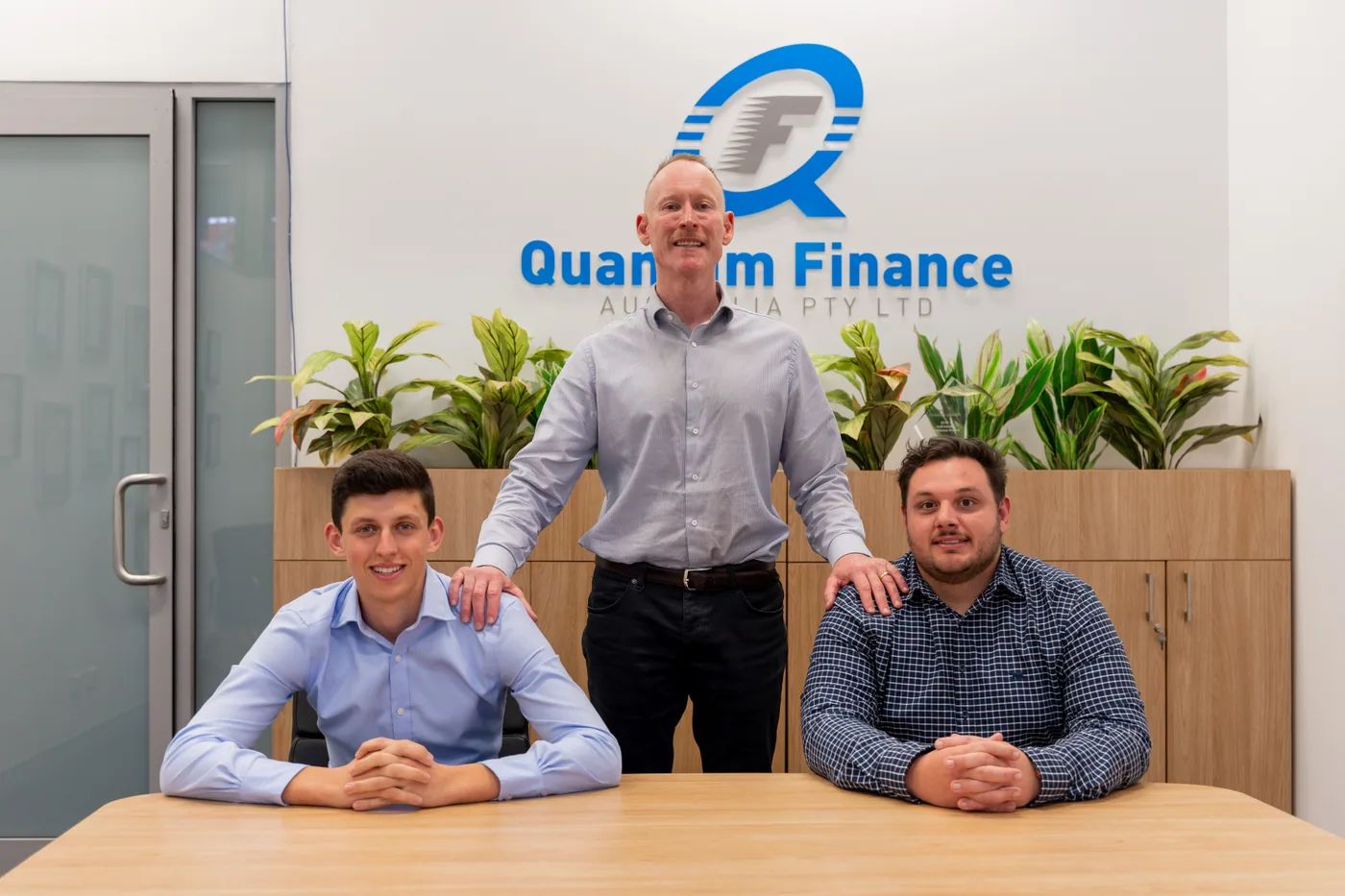
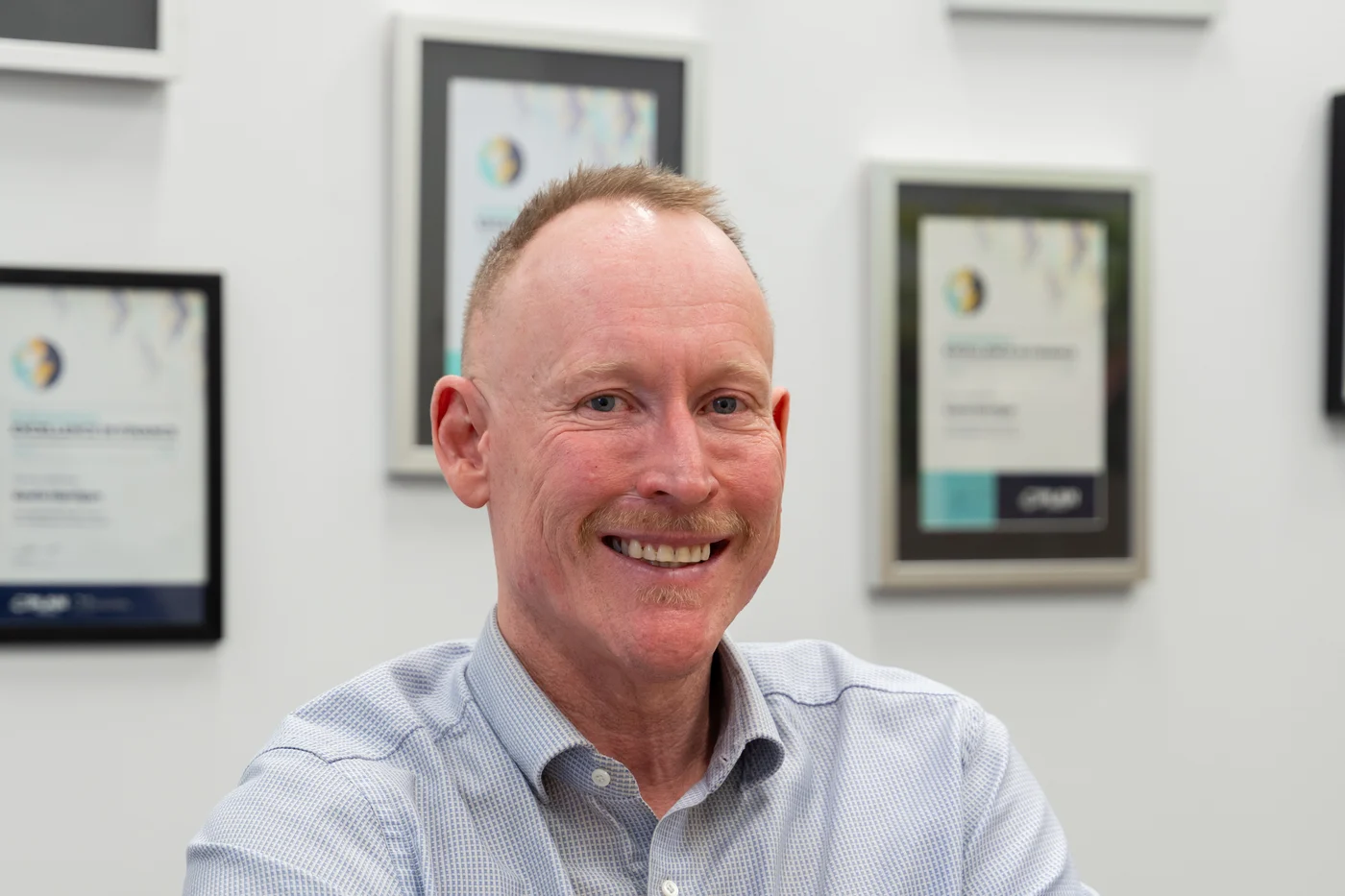
Gavin Harrigan has been broking from West Leederville since 2005. Today it runs on a small team, Gavin Harrigan, Justin Richardson and Xavier Prescott, each with their qualifications on the page. You deal with the person who writes your loan, before settlement and after it.
The work runs from a first home loan, through refinancing and investment lending, out to construction, small developments and commercial property. Same broker, whichever end of that you are at.
- VerifiedBroking since 2005
- VerifiedOver $1 billion in loans settled
- VerifiedAustralian Credit Licence 389083
- VerifiedMoneyQuest accredited
- VerifiedMember of the Finance Brokers Association of Australia (FBAA)
- Verified40+ lenders on the panel
Fifteen minutes is usually enough to tell you where you stand. No cost, no obligation, and any lending is subject to approval and your circumstances.

Why choose us for a commercial development
Commercial appetite is where lenders differ most, so one decline proves littleA bank compares your project against one credit policy. We compare it against the appetite of a whole panel, bank and private, and every point below is a consequence of how this business is owned.
- Included
No franchise, no head office quota
We do not pay a franchise fee, so nobody upstairs sets a monthly target for us to hit. That removes the main reason a broker recommends the wrong loan.
- Included
No lender owns a share of us
The banks have no stake in this business and no claim on where files go. Your bank has one loan to sell you. We do not.
- Included
40+ lenders, one shortlist
We compare 40+ bank and non-bank lenders, then explain why the shortlist looks the way it does. Policy differences decide more applications than rate does.
- Included
We will tell you when the answer is no
If refinancing does not actually save you money, we say so and you leave the loan where it is. A wrong loan costs more than the fee it earns.
- Included
The same broker after settlement
You keep dealing with the person who wrote the loan. We review it as rates and your circumstances change, not once and then never again.
What our clients say
In their words, not oursReviews left by people we have settled loans for, pulled straight from the platform they were written on.
Our commercial development lender panel
Bank, non-bank and private funders across a 40+ lender panelMajor banks, second-tier banks, and non-bank and private funders who will look at a commercial project the majors will not. MoneyQuest gives us access to the panel. 21+ years of writing loans on it tells us whose appetite fits your build.




















A selection of the lenders we are accredited with. Ask us who else is on the panel for your situation.
Our development finance guides
Know how funders read a projectWhat a lender looks for in a feasibility, and who lends when a bank will not. Each one carries a broker's name.
Choosing a broker
What a mortgage broker does
What the job actually involves, who pays for it, and when your own bank is the better call.
Read it: What a mortgage broker does
Building
How construction loans work
Progress payments, a valuation of something not yet built, and the traps in between.
Read it: How construction loans work
Development
Funding a property development
How funders read a project, and why the exit is decided before the first drawdown.
Read it: Funding a property development
Commercial
Commercial finance, explained
Why commercial lending is negotiated rather than priced, and what lenders ask for.
Read it: Commercial finance, explained
Meet our Perth development finance brokers
You get a broker, not a call centreThree people, all named, all reachable. The person who takes your feasibility to market is the person who manages the drawdowns and the person who is still there at the exit.
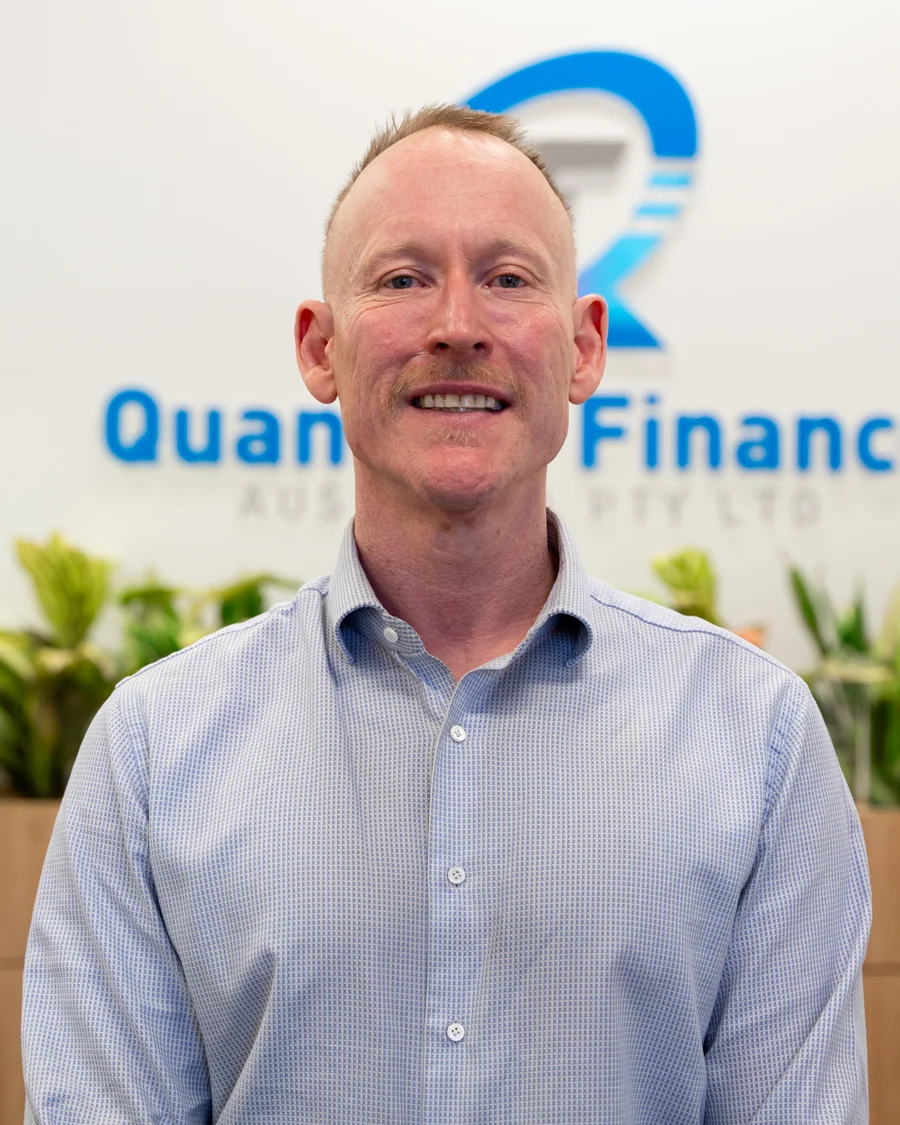
Gavin Harrigan
Managing Director
Broking since 2005, four-time Top 100 broker and a PLAN Australia Hall of Fame member.
- Bachelor of Commerce, Applied Finance and Commercial Law, Curtin University
- Diploma of Finance and Mortgage Broking Management, AAMC Training Group
- PLAN Australia Hall of Fame member
- Elite Broker status
- Top 100 Brokers, four times

Justin Richardson
Loan Consultant
Business and law background, and a habit of making the process feel simple.
- Bachelor of Commerce, Business Law and Marketing, Curtin University
- Bachelor of Laws (in progress), Murdoch University

Xavier Prescott
Loan Consultant
Fresh qualifications, a competitor's discipline, and a lot of patience.
- Diploma of Finance and Mortgage Broking Management
Common questions about commercial development finance
What is commercial development finance?
Funding for the construction of commercial or mixed-use property, built to sell or to hold and lease. It is assessed on the project rather than mainly on your income, and the facility is drawn in stages as the build progresses. Interest is usually capitalised into the facility rather than paid monthly.
How is it different from a commercial property loan?
A commercial property loan funds the purchase of a building that already exists and is assessed on the rent and your covenant. Commercial development finance funds construction, is sized against total cost and completed value, and runs only to the end of the project. Many developers use both in sequence, one to build and one to hold.
Do I need a tenant lined up before a lender will fund it?
Not always, and it changes what the funding costs. A signed lease or a pre-commitment reduces the risk the lender is pricing, and requirements vary by lender and project. Non-bank and private lenders will often fund without one at a higher cost, which can still be the better answer if waiting has a holding cost.
How do lenders work out the end value of a commercial building?
By what the completed building is expected to earn, rather than by comparing it to nearby house sales. The lease term, the quality of the tenant and the rent all feed that assessment, and a valuer engaged by the lender tests it independently. This is why the lease position belongs in the application, not in a later conversation.
Is a mixed-use project funded as residential or commercial?
It depends on the balance of the project and on the lender. A predominantly residential building with one shop is read differently from a commercial building with two apartments above it. Some lenders split the assessment and some pick a side, so we check the treatment before the file goes anywhere.
Can I fund premises I intend to trade from myself?
Yes. An owner occupier build is assessed on the project and on your trading performance, because your business becomes the tenant. Lenders want your financials alongside the feasibility, so tell us at the start: it changes which funders are worth approaching.
What does a quantity surveyor do on a commercial build?
The lender engages a quantity surveyor to review your construction costs before approval and to certify progress claims during the build. They confirm the work claimed has actually been done and that the remaining budget still covers the remaining work. Their reports control the drawdowns.
Do I need development experience for a commercial project?
It helps, and its absence is not automatically fatal. Lenders look harder at the builder, the contract and the site when the developer is new, and the terms reflect that. A conservative first project with a fixed price contract and a credible income story is far easier to fund than an ambitious one.
Related finance we arrange
The other funding a commercial developer usually needsMost files touch more than one of these. If yours does, it is the same broker and the same conversation.
Development Finance
Small to mid residential and mixed-use projects, funded through bank and non-bank lenders.
Learn moreabout Development FinanceCommercial Loans
Offices, warehouses, retail and mixed-use property, whether you occupy it or lease it out.
Learn moreabout Commercial Loans
Private Development Finance
Non-bank and private funding for sound projects a bank has declined or cannot move fast enough on.
Learn moreabout Private Development Finance
The information on this page is general in nature and does not take into account your objectives, financial situation or needs. Any figures shown are estimates only. Lending is subject to approval, and to the lender's terms, conditions, fees and charges. Consider whether the information is appropriate for you before acting on it.
Get in touch
Send us your site, your feasibility and your lease positionFive questions and you are done. A broker reads it, works out which funders have appetite for a commercial build like yours, and rings you back on the number you give us.
Would rather just talk?
Ringing is quicker than waiting for us to ring you, and you get a broker rather than a queue.
1300 813 113